

Why responsibility matters in personal choice: freedom with consequences
Freedom of choice is one of the most celebrated values of modern society. We associate it with independence, personal identity and the right to decide how we live our lives. Yet freedom without responsibility is not real freedom, it is simply unchecked impulse.
Personal choice only becomes meaningful when it is paired with awareness, accountability and respect for consequences. This is especially visible in lifestyle-driven industries such as vaping, where individual decisions directly influence not only personal health but also public perception, regulation and social acceptance.
Understanding why responsibility matters in personal choice allows us to move beyond simplistic narratives of freedom versus control and instead explore how conscious decision-making shapes safer and more sustainable behaviour.
Freedom and responsibility are not opposites

Many people instinctively treat responsibility as a limitation on freedom. In reality, responsibility is its foundation.
True freedom is not about doing anything at any time regardless of impact. It is about making informed decisions, understanding risks and acting with awareness of how our choices affect ourselves and others.
Without responsibility, freedom becomes unpredictable and often harmful, not only socially but also individually. This applies across all lifestyle choices, from alcohol and nutrition to technology use and vaping behaviour.
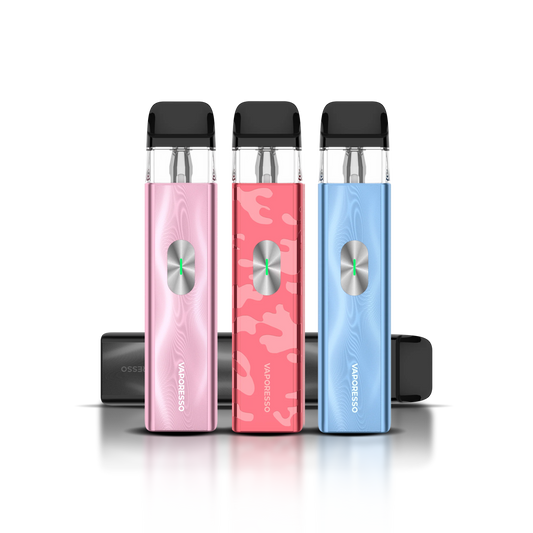
For many adult smokers, choosing a regulated device from a specialist retailer is already an act of responsibility. Browsing through professionally curated vape kits rather than unverified online sources helps ensure product compliance, battery safety and consistent nicotine delivery.
In the context of vaping, freedom means the ability for adults to choose alternatives to smoking, but responsibility determines how that freedom is exercised, where vaping takes place, how products are selected and whether the choice contributes to harm reduction or social conflict.
Why personal choice is never truly personal
Every personal choice exists within a social context. Even decisions that appear private ripple outward through families, communities and shared environments.
What we consume, how we use it and where we use it influences social norms, regulatory responses and public attitudes. This is why responsible choice is not about restriction, it is about coexistence.
Vaping is a clear example. A single adult choosing a vape device instead of cigarettes may be a personal decision, but when many people do the same, it shapes market demand, influences legislation and affects how society views vaping as a harm reduction tool.
When personal choices consistently demonstrate responsibility, industries become easier to regulate proportionately and less likely to face reactionary bans or moral panic.
Responsibility as a core element of harm reduction

Harm reduction does not aim to eliminate behaviour, it aims to make existing behaviour safer, more controlled and better understood.
Responsible personal choice is one of the most powerful harm reduction mechanisms available. It shifts the focus from prohibition to education, from punishment to prevention.
For example, adult smokers who transition to properly regulated vape kits are not choosing perfection, they are choosing a demonstrably lower-risk alternative to combustible tobacco.
Responsible harm reduction also involves selecting appropriate nicotine strengths and flavour profiles that support gradual behavioural change. Access to quality-controlled e-liquids with transparent labelling allows consumers to better manage intake and reduce unnecessary exposure.
This does not remove all risk, but it reduces it significantly. That is the essence of harm reduction in vaping and in wider public health strategy.
Responsibility in this context means selecting compliant products, understanding nicotine intake, maintaining devices correctly and using them in socially appropriate settings.
The difference between legal and responsible
Something being legal does not automatically make it responsible, just as something being restricted does not make it inherently harmful.
Responsibility lives in the space between legality and behaviour. How, where and why something is used matters just as much as whether it is allowed.
In vaping, legal age restrictions and product standards define what is permitted, but responsibility defines how those permissions translate into real-world behaviour.
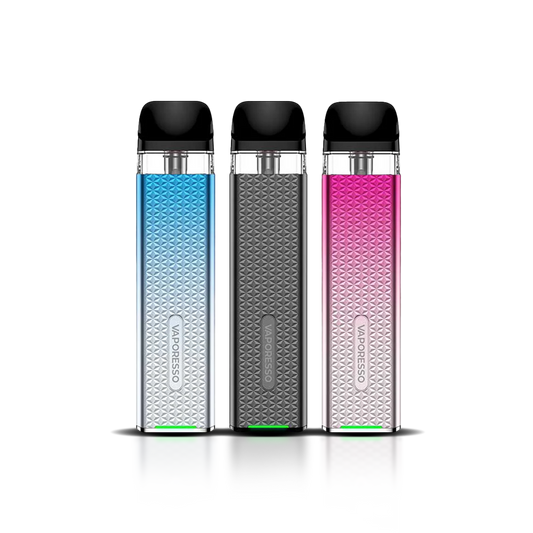
Even when products meet legal standards, responsibility means choosing devices with built-in safety features, certified components and proper user guidance, which is why many experienced users prefer specialist collections of pod systems and closed-system devices for everyday use.
A responsible vaping culture does not emerge from law alone, it emerges from consistent education, ethical retailing and informed consumer behaviour.
Why education shapes better choices than bans

History repeatedly shows that bans do not eliminate demand, they displace it. When products are pushed underground, safety decreases and misinformation spreads.
Education, on the other hand, empowers people to make safer, more conscious decisions. When consumers understand both benefits and risks, behaviour becomes naturally more responsible.
This is why transparent access to information about e-liquids, nicotine levels, ingredients and device safety plays a far greater role in consumer protection than silence or suppression.
Educational choice also includes understanding hardware maintenance, coil replacement and battery care. Exploring reliable vaping accessories such as chargers, coils and protective cases reduces avoidable risks linked to device misuse.
Informed consumers are not easily manipulated by hype or fear. They are capable of navigating complexity and adjusting behaviour based on evidence.
Responsibility in vaping culture
Vaping responsibility extends beyond product choice. It includes how devices are used in public, how flavours are marketed, how age verification is enforced and how retailers communicate with consumers.
Many responsible users also choose lower-powered devices and mouth-to-lung systems available in curated starter kits, especially when transitioning from smoking, as these better replicate smoking patterns without encouraging excessive vapour production.
When responsibility is visible in vaping culture, public trust increases and regulatory pressure often becomes more proportionate and balanced.
Where responsibility is absent, even lower-risk alternatives can become socially and politically fragile.
The social dimension of responsibility

Responsibility is not only about individual health, it is about shared spaces.
Being responsible means recognising that others may not share our choices and adjusting behaviour accordingly. This includes respecting non-vapers, enclosed environments and local norms.
Socially responsible vaping supports the long-term viability of vaping as a harm reduction strategy by preventing unnecessary conflict and backlash.
Responsibility builds trust
Where responsibility becomes visible, trust follows. Trust in consumers, in retailers and in the wider vaping industry.
This trust allows for more open dialogue, better regulation and healthier social integration of lifestyle products.
Retailers that prioritise compliance, product quality and consumer education help create an environment where responsible choice becomes the default rather than the exception.
Why responsibility protects freedom

Ironically, the more responsibly a community behaves, the less external restriction becomes necessary.
Responsible behaviour protects freedom by reducing the perceived need for heavy-handed regulation and social backlash.
In vaping, visible responsibility among adult users is one of the strongest arguments against excessive or reactionary policy responses.
Conscious choice in a complex world
Modern life offers more choice than ever before. Devices, flavours, nicotine strengths and formats multiply rapidly.
But more choice also means more responsibility. Navigating this complexity requires awareness, not blind consumption.
Conscious vaping means understanding why you vape, what you vape and how it fits into your wider lifestyle choices.
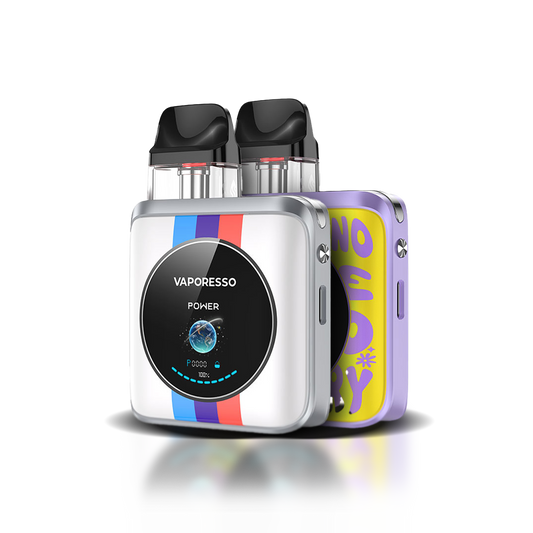
As product variety grows, responsible consumers increasingly rely on specialist stores offering structured categories of vape devices, rather than impulse-driven purchases from general marketplaces.
Personal choice and long-term outcomes
Every responsible choice compounds over time. Individually, it shapes health outcomes. Collectively, it shapes markets, regulation and social acceptance.
Personal choice does not exist in isolation, it contributes to cultural trajectories.
Choosing where and how you buy vaping products becomes part of that responsibility. Selecting specialist retailers committed to compliance, education and harm reduction is itself a responsible personal choice.
Final thoughts
Freedom without responsibility is fragile. Responsibility without freedom is oppressive.
Only when the two work together can personal choice become something that truly empowers rather than harms.
In vaping and beyond, responsibility is what transforms freedom into a force for harm reduction, social balance and long-term sustainability.
Explore responsibly
If you are looking for responsibly sourced products supported by transparent information and real-world understanding, explore Vape Lounge UK, where freedom meets responsibility.
Vape Lounge Manchester
147 Great Ancoats Street, Manchester M4 6DH
hello@vapelounge.uk | 0161 637 6066
Stoke-on-Trent
71 Stafford Street, ST1 1LW
Join our newsletter and get 10% off your first order:
https://vapelounge.co.uk/pages/newsletter